
“The Devil Wears Prada”
Spoiler-Free Review
May 23, 2026 | Lisa Hatzenbeller

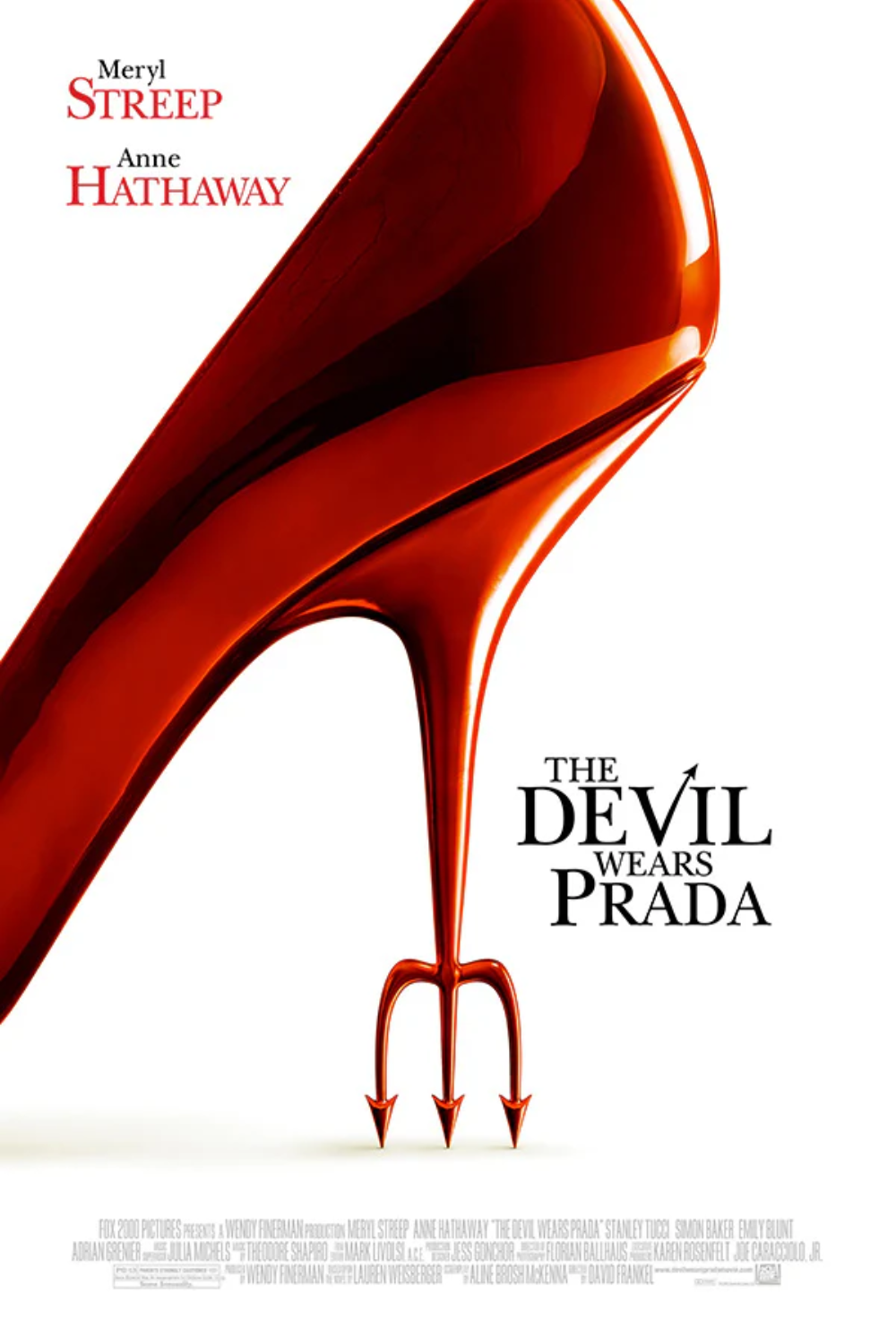
Premise: Andy, a smart but sensible young journalist, starts working as an assistant to the cynical high fashion magazine editor Miranda Priestly.
Genres: Comedy and Drama
Runtime: 109 minutes
MPAA Rating: PG-13
Release Year: 2006
Starring: Emily Blunt, Anne Hathaway, Meryl Streep, and Stanley Tucci
Directed by: David Frankel
Written by: Screenplay by Aline Brosh McKenna
Based on: Novel, The Devil Wears Prada by Lauren Weisberger
Distributed by: 20th Century Fox
Nearly 20 years later, The Devil Wears Prada still holds up because it understands something far more universal than fashion. Beneath the designer clothes, impossible deadlines, and iconic one-liners is a sharp workplace comedy about ambition, identity, and the quiet compromises people make while chasing success.
What makes the film age so well is how recognizable its professional pressure feels now. Long before conversations about burnout and hustle culture completely dominated online discourse, The Devil Wears Prada already understood how exhausting it can feel to constantly prove yourself in environments that are never fully satisfied.
Anne Hathaway Holds the Entire Film Together
Anne Hathaway has the hardest job in the movie because she’s responsible for grounding all of the chaos happening around her. Andy Sachs could have easily become a generic audience-insert character, but Hathaway gives her enough insecurity, ambition, sarcasm, and vulnerability that she always feels authentic.
What makes Hathaway’s performance so effective is how gradually she handles Andy’s transformation throughout the film. The changes never feel forced or overly dramatic. Instead, Andy slowly becomes more confident, polished, and consumed by the world around her in ways that feel emotionally natural.
Even as Andy adapts to Miranda’s impossible standards, Hathaway continues letting moments of discomfort and uncertainty break through the surface. Andy’s struggle to balance ambition, identity, and validation gives the film far more emotional weight than a typical workplace comedy, especially for ADHD viewers who understand the exhausting pressure of constantly trying to “keep up.”
That balance keeps the movie from becoming superficial.
Meryl Streep Deserved Every Bit of the Praise
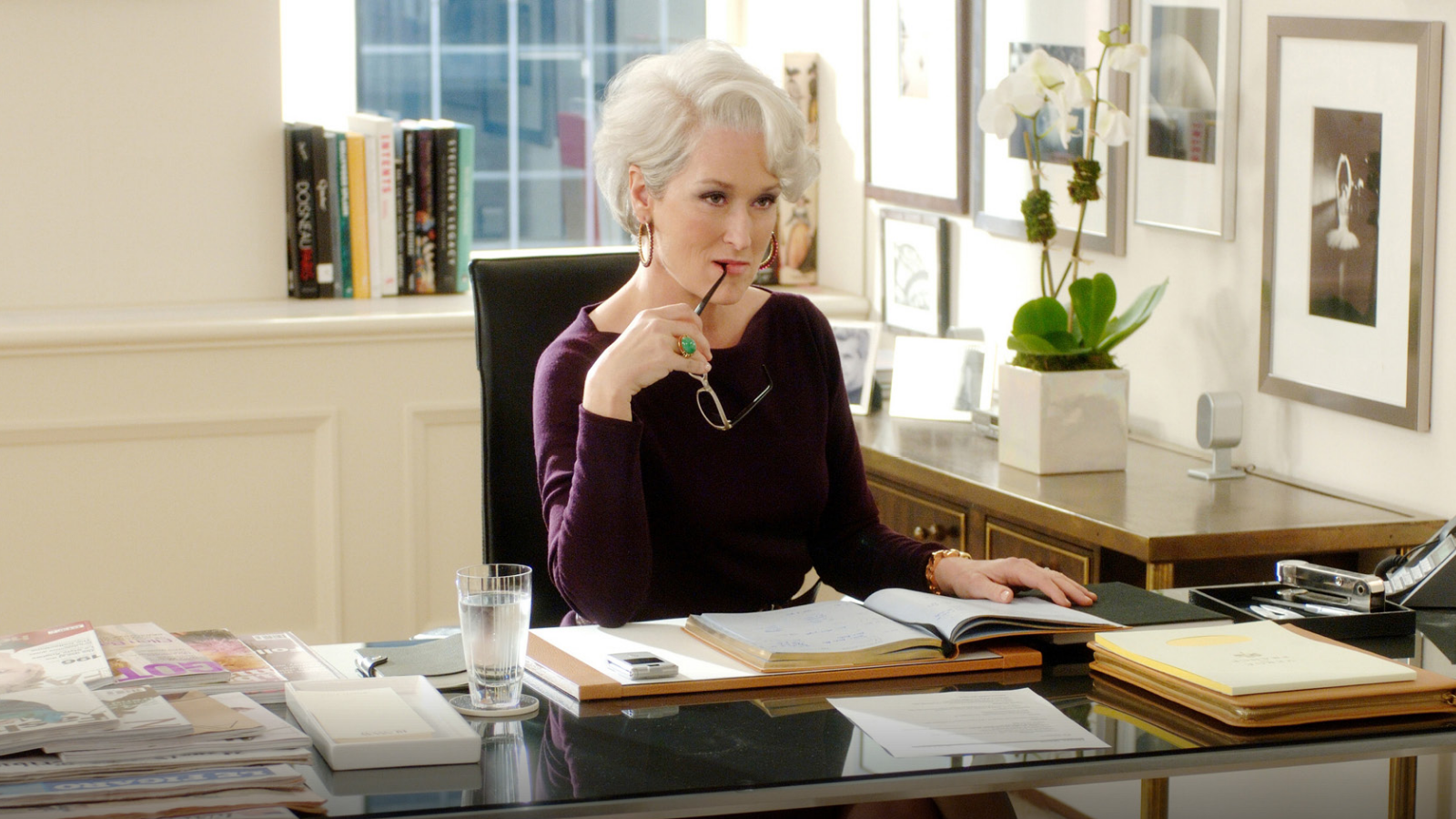
Meryl Streep’s Miranda Priestly remains one of the most memorable performances of the 2000s because she never turns the character into a parody. Miranda rarely raises her voice or loses composure, which somehow makes her even more intimidating.
Every quiet stare, disappointed pause, and icy correction lands with devastating precision. Streep understands that real power doesn’t need theatrics, and that restraint gives Miranda a presence that completely controls the movie whenever she enters a scene. It remains one of the best examples of how powerful restraint can be in a performance.
At the same time, the film smartly avoids making Miranda completely one-dimensional. There are small moments where the pressure, loneliness, and expectations surrounding her career begin to show through the armor.
Emily Blunt and Stanley Tucci Quietly Steal the Film
Emily Blunt remains one of the movie’s biggest scene stealers. Her delivery is so sharp and emotionally exhausted at the same time that nearly every line lands perfectly. Whether she’s panicking over impossible demands or silently judging Andy across the office, Blunt gives the film some of its funniest and most memorable moments without ever feeling like she’s trying too hard to be the comedic standout.
Stanley Tucci brings a completely different energy to the film, and it’s exactly what the story needs once Andy gets pulled further into Miranda’s world. Tucci gives Nigel warmth, frustration, humor, and genuine emotional sincerity, which helps ground the movie whenever the fashion-industry chaos threatens to overpower everything else.
Together, Blunt and Tucci add personality and balance to nearly every scene they’re in. Their performances are a huge reason The Devil Wears Prada remains so endlessly entertaining and rewatchable nearly two decades later.
The Movie Feels More Relevant Now Than It Did in 2006
Watching the film now, what stands out most is how accurately it captured modern professional culture before most people were even talking about it. The movie understands how ambition can slowly blur into performance, where success starts becoming tied to validation, appearance, and survival rather than genuine fulfillment.
It’s no longer simply a film about the fashion industry. It feels like a story about burnout, hustle culture, impossible expectations, and the pressure to reshape yourself into whatever version succeeds professionally. The film understood toxic work environments long before conversations about work-life balance became mainstream online.
Andy’s transformation becomes more uncomfortable on rewatch because the film never fully frames it as empowerment. The deeper she gets pulled into Miranda’s world, the more the movie quietly asks what parts of herself she’s willing to trade away in exchange for success.
That tension is what gives The Devil Wears Prada its lasting power beyond the iconic quotes and makeover montages.
🧠ADHD Watch Factor
Pacing: Tight – fast dialogue, constant barrage of outfit changes, and rapid-fire workplace pressure
Attention Hold: Locked In – Scenes transition quickly yet emotional moments have room to land
Emotional Pull: Lingering – Work burnout themes hit harder with age
Chaos Level: Controlled – Stressful energy without becoming overwhelming
Final Thoughts
The fact that The Devil Wears Prada remains this entertaining, quotable, and culturally relevant 2 decades later says everything.
The performances still shine, the humor still lands, and the themes remain surprisingly sharp. While some supporting storylines feel thinner on rewatch, the film’s confidence and endlessly rewatchable energy make those flaws easy to overlook.
It may not fully explore every emotional thread, but it absolutely earns its reputation as a modern comedy classic. Few comedies from the 2000s have aged this well.
Awards History:
Academy Awards
• Lead Actress – Nominee – Meryl Streep
• Costume Design – Nominee – Patricia Field
BAFTA
• Lead Actress – Nominee – Meryl Streep
• Supporting Actress – Nominee – Emily Blunt
• Adapted Screenplay – Nominee – Aline Brosh McKenna
• Costume Design – Nominee – Patricia Field
• Makeup & Hair – Nominee – Nicki Ledermann and Angel De Angelis
Critics Choice
• Best Comedy Movie – Nominee
• Lead Actress – Nominee – Meryl Streep
Golden Globes
• Best Motion Picture – Comedy or Musical – Nominee
• Lead Actress – Comedy or Musical Winner – Meryl Streep
• Supporting Actress – Nominee – Emily Blunt
Actor Awards (formerly Screen Actors Guild)
• Lead Actress – Nominee – Meryl Streep
National Board of Review
• Top Ten Films
Where to Watch:


What did you think of The Devil Wears Prada 20 years later?
Miranda Priestly remains one of the most intimidating bosses in movie history. Was she entirely wrong?
Comment or tag me on X. Thoughts on Instagram.
Follow Oscar Obsessed ADHD
For data, chaos, and heart in every award season.
YouTube | Instagram | X